
Leave Your Message
-
Contact Phone
-
 Contact Email
Lately, you've probably noticed that Clear Plastic Gloves have become super popular across a bunch of different industries. Experts often say that these gloves are a must-have when it comes to keeping things hygienic and safe. Dr. Emily Zhang, who's pretty much a go-to person in the healthcare supplies world, mentions, "Clear Plastic Gloves are so versatile—they really help with both protection and convenience."
You'll see these gloves everywhere—whether it's in restaurants, hospitals, or just around the house. Their see-through design is actually pretty handy because you can easily see what you're working on, which is a big plus during detailed tasks. But, heads up— not all Clear Plastic Gloves are the same. Some brands cut corners to save money, and that can actually be a safety risk. So, it's really important for folks to do their homework and pick brands that are known for good quality.
And honestly, while it’s tempting to go for the cheaper options, don’t forget that durability matters a lot too. Striking that balance can be a bit tricky. If you choose gloves that are too flimsy, they might not hold up when you really need them. Companies like SafeHands have built a solid rep by making high-quality Plastic Gloves Clear that pass strict standards. At the end of the day, learning about what to look for and staying informed is key to making smart choices.
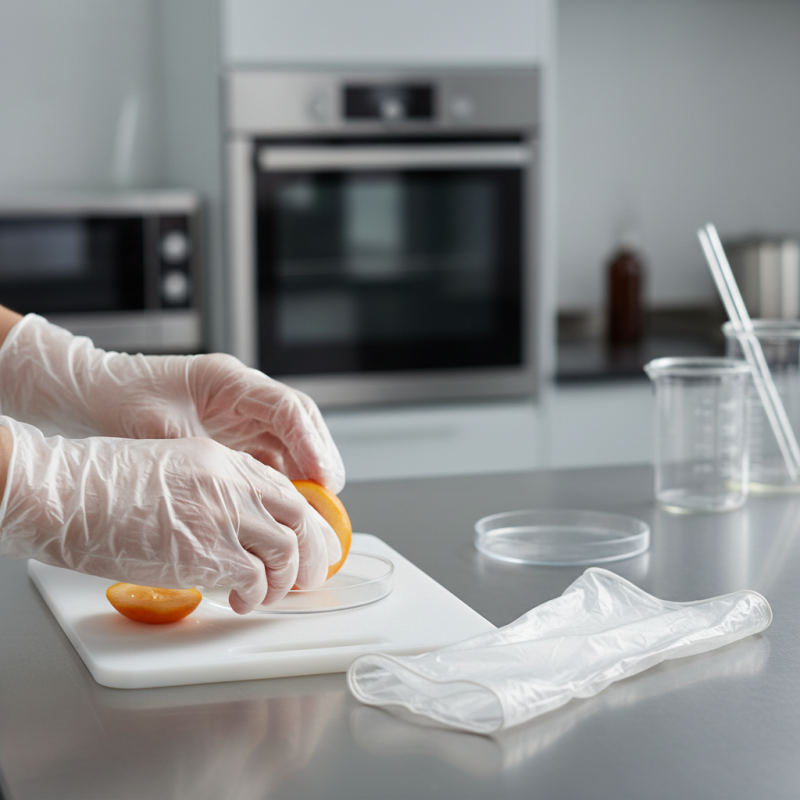
Clear plastic gloves are versatile tools used in various industries. These gloves are made from thin plastic materials, providing a barrier while ensuring dexterity. In the food industry, they help maintain hygiene standards. Workers can safely handle food without direct contact, minimizing contamination risks.
In healthcare settings, clear plastic gloves protect both patients and providers. They enable medical professionals to perform tasks while keeping surfaces sterile. These gloves are also useful in cleaning and janitorial services. They shield hands from chemicals and dirt, promoting safety in high-contact environments.
However, their use does come with concerns. Some may find them less durable than other types of gloves. They can tear easily, resulting in unintended exposure. Additionally, over-reliance on single-use gloves may lead to environmental issues. Awareness of proper usage and disposal is essential for maintaining safety and sustainability.
When it comes to food preparation, safety is paramount. Clear Plastic Gloves provide a barrier between hands and food, ensuring hygiene. These gloves are versatile and suitable for various tasks, from cooking to cleaning. Their transparency allows users to maintain visibility while working, adding to the convenience.
Utilizing OEM wholesale clear plastic gloves can lead to cost savings. Bulk purchasing reduces the price per unit, allowing businesses to allocate resources more efficiently. Many companies appreciate this benefit, as it enhances profitability. Moreover, clear plastic gloves are lightweight and easy to store, making them ideal for any kitchen environment.
However, not all gloves are created equal. Finding the right thickness and material can be challenging. Some users may find thinner gloves less durable for rigorous tasks. It's crucial to assess how these factors impact the gloves' performance. While clear plastic gloves serve numerous purposes, it is essential to choose wisely based on specific needs.
| Feature | Description | Benefits |
|---|---|---|
| Material | High-quality polyethylene or vinyl | Durable and resistant to tears |
| Size Options | Available in small, medium, large, and extra-large | Better fit for different hand sizes ensures comfort |
| Thickness | Options range from light to heavy-duty | Provides flexibility or extra protection as needed |
| Usage | Suitable for food handling, medical purposes, and cleaning tasks | Versatile applications across various industries |
| Customization | Available in custom sizes, colors, and branding options | Enhances brand visibility and customer engagement |
| Eco-Friendliness | Biodegradable options available | Reduces environmental impact |
When choosing plastic gloves, certain features are essential. Clear Vinyl Gloves are popular for their versatility. They provide a barrier against moisture and dirt while allowing for a clear view of the hands. This is especially useful in food preparation and healthcare settings. Look for gloves that offer a reliable fit. A snug fit helps to maintain dexterity and prevents slips during use.
Another important aspect is the thickness of the gloves. Thicker gloves offer more protection but may reduce sensitivity. Consider your specific tasks and the balance between protection and maneuverability. Options vary, and finding the right compromise can be challenging. Keep in mind that not all gloves are created equal.
Durability is also a key feature. Some clear gloves tear easily under stress. A tear can expose your skin to contaminants. Assess the material quality before purchasing. Reading user reviews can provide insights into performance. Ensuring that the gloves meet safety standards is crucial. Remember, even small details matter in selecting the best gloves for your needs.
In the world of disposable gloves, plastic options are popular for various applications. Clear plastic gloves, made from materials like polyethylene, are lightweight and cost-effective. They are a common choice in food service, healthcare, and cleaning industries. According to industry reports, the global demand for disposable gloves reached 300 billion units in 2020, with a significant portion attributed to plastic gloves.
When considering different types of plastic gloves, there are several options. Polyethylene gloves are affordable and provide a basic barrier against contaminants. However, they lack the durability found in vinyl and nitrile gloves. Vinyl gloves, for instance, offer better flexibility and tactile sensitivity, making them suitable for various tasks. Nitrile gloves are highly durable and resistant to punctures and chemicals, but they can be more expensive and are not always transparent.
Tip: Always assess the specific requirements of your task. For food preparation, lightweight polyethylene gloves may suffice. For medical applications, consider the protective qualities of nitrile.
Don’t overlook the environmental impact of plastic gloves. While they are convenient, disposable options contribute to waste. Seek eco-friendly alternatives if possible. Using gloves responsibly can reduce waste.
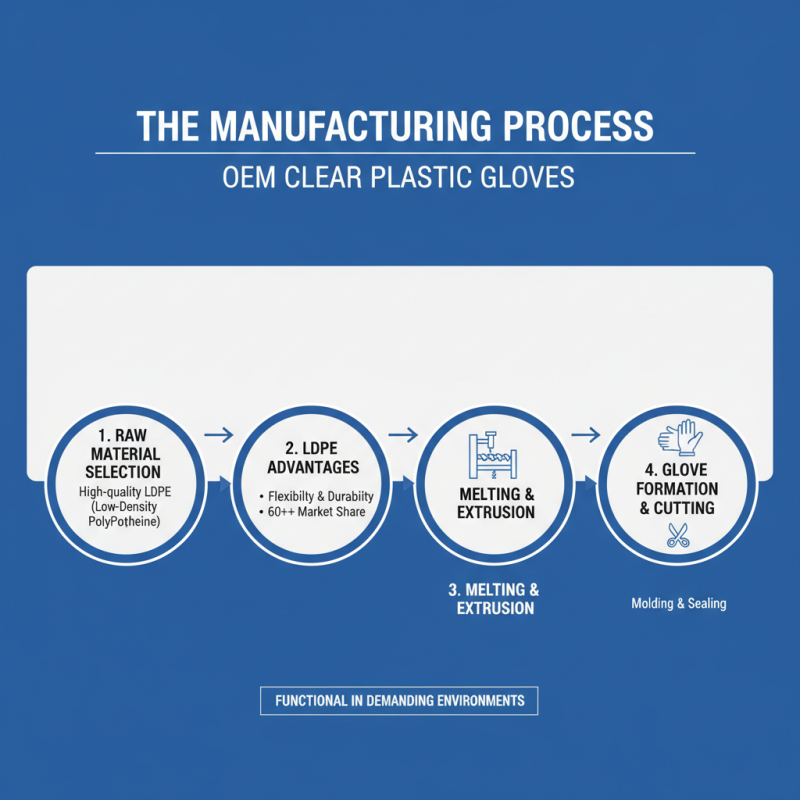
The manufacturing process of OEM clear plastic gloves involves several critical steps. First, high-quality raw materials, typically low-density polyethylene (LDPE), are selected. LDPE is favored for its flexibility and durability. In fact, industry reports indicate that LDPE accounts for over 60% of the market share in glove production. This material ensures that the gloves remain functional even in demanding environments.
Next, the extrusion process begins. During this phase, the raw material is melted and formed into thin sheets. This stage demands precision since the thickness of the gloves directly affects their strength and usability. Industry standards suggest that gloves should be at least 0.1 mm thick for optimal performance. After extrusion, the sheets are cut into glove shapes. This cutting process can lead to inconsistencies, which require rigorous quality control measures.
Finally, the gloves undergo packaging and sterilization. This step is vital for maintaining hygiene and safety. In a recent study, it was noted that around 20% of gloves produced may have defects if not properly monitored. Thus, thorough inspections are needed to ensure that only the best products reach consumers. The entire process highlights the need for continuous improvement and innovation in manufacturing methods.
The market for plastic gloves in China is rapidly evolving. Clear plastic gloves, especially Vinyl Gloves Clear, are seeing increased demand across various sectors. Health care, food service, and janitorial industries are primary consumers. People value hygiene and safety, which drives this trend.
One notable aspect is the growing preference for disposable gloves. They offer convenience and reduce cross-contamination risks. However, some industries still rely on reusable gloves for cost-effectiveness. This presents a challenge for manufacturers. Balancing quality and affordability is critical.
Consumer awareness also affects market dynamics. While demand rises, it’s essential to consider the environmental impact of plastic waste. Some manufacturers are exploring biodegradable alternatives. Yet, these options often face challenges in terms of performance and cost. The conversation about sustainability must continue as the need for plastic gloves grows.
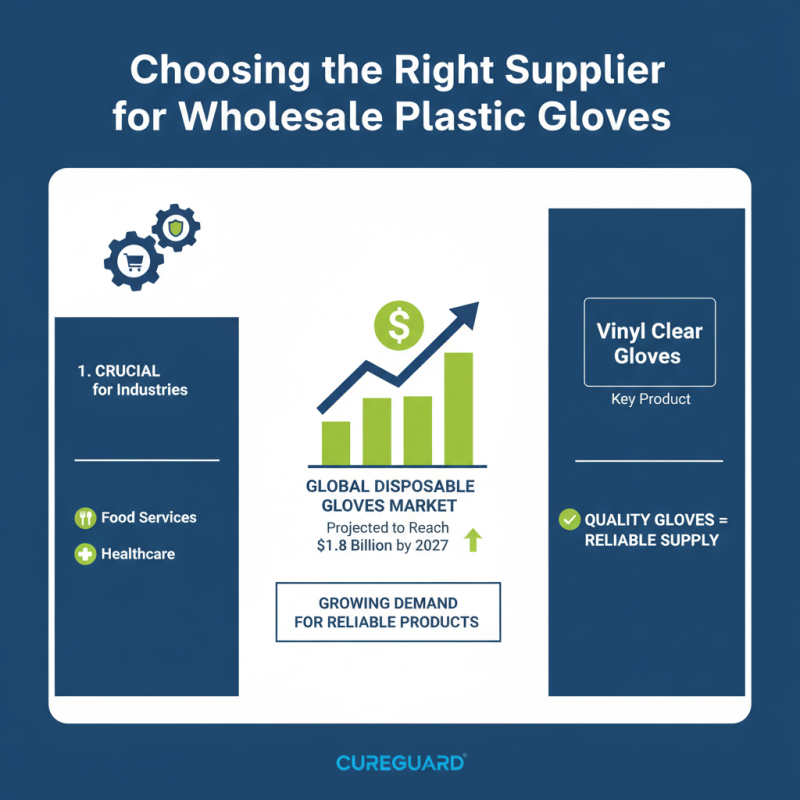
When sourcing wholesale plastic gloves, choosing the right supplier is crucial. Many industries, like food services and healthcare, rely heavily on quality gloves. According to a report by Allied Market Research, the global disposable gloves market is projected to reach $15.8 billion by 2027, indicating a growing demand for reliable products, including Vinyl Clear Gloves.
A reputable supplier should offer a range of options tailored to different needs. For instance, food safety regulations require using high-quality gloves. Suppliers that understand these standards tend to provide better products. However, not all suppliers keep pace with changing regulations and market needs. It's vital to vet suppliers carefully based on experience and certifications.
While price is important, it shouldn't be the only consideration. Some suppliers compromise quality for lower costs. Examining customer reviews can reveal their reliability. Look for feedback on glove durability and comfort. A potential weak point is that some suppliers may not disclose production practices. Transparency in their operations is essential for confidence in their products.
When considering the protection of hands and forearms in various industrial applications, long cuff disposable nitrile gloves stand out as an essential component of workplace safety gear. These gloves are uniquely designed with a specialized cuff that extends up to the forearm, providing an effective barrier against liquid backflow, which is critical in environments where exposure to contaminants is high. According to a recent industry report, the demand for protective gloves in sectors such as healthcare and food processing has surged by over 25% in the past two years, highlighting the importance of proper hand protection.
The premium extended-length gloves not only offer extended coverage but are also engineered for maximum comfort and dexterity. The nitrile material is known for its durability and chemical resistance, which greatly surpasses that of traditional latex gloves. Statistics indicate that over 60% of professionals in high-risk industries prefer nitrile gloves due to their superior tactile sensitivity and flexibility. This makes them ideal for tasks that require both safety and precision.
As leading suppliers, manufacturers in China have begun to focus on state-of-the-art production techniques that ensure these long cuff gloves meet rigorous safety standards. Quality assurance processes are now more stringent than ever, with production plants implementing advanced technology to minimize defects and enhance glove performance. With the right supplier, industries can ensure their standards for safety and hygiene are met, ultimately leading to a safer working environment for all employees.
: They create a barrier between hands and food, ensuring hygiene and safety.
Bulk purchasing lowers the price per unit, freeing resources for other needs.
Polyethylene is lightweight, while vinyl offers flexibility. Nitrile is durable but can be costly.
Assess the thickness, material, and task requirements to ensure proper performance.
They contribute to waste, so consider eco-friendly alternatives to reduce environmental impact.
Thickness affects strength and usability; gloves should be at least 0.1 mm thick for optimal performance.
Inadequate inspections can lead to defects, with about 20% potentially flawed if not monitored.
Selecting high-quality low-density polyethylene (LDPE) ensures flexibility and durability.
Not always, as some materials may lack the necessary barrier properties for safety.
It can lead to inconsistencies, emphasizing the need for rigorous quality checks.
Clear plastic gloves are essential items in various industries, providing protection and hygiene in settings such as food service, healthcare, and cleaning. The advantages of utilizing OEM wholesale clear plastic gloves include cost-effectiveness and customizable options to meet diverse needs. When choosing gloves, it is crucial to consider key features like durability, thickness, and comfort, as well as comparing different types available in the market.
The manufacturing process of OEM clear plastic gloves typically involves high-quality materials and strict quality control to ensure safety and performance. In China, the market demand for plastic gloves is on the rise, driven by increasing awareness of hygiene and safety practices. Selecting the right supplier is vital for businesses seeking reliable and affordable wholesale solutions, ensuring they can meet their operational needs effectively.